
Independence Spray Foam Roofing
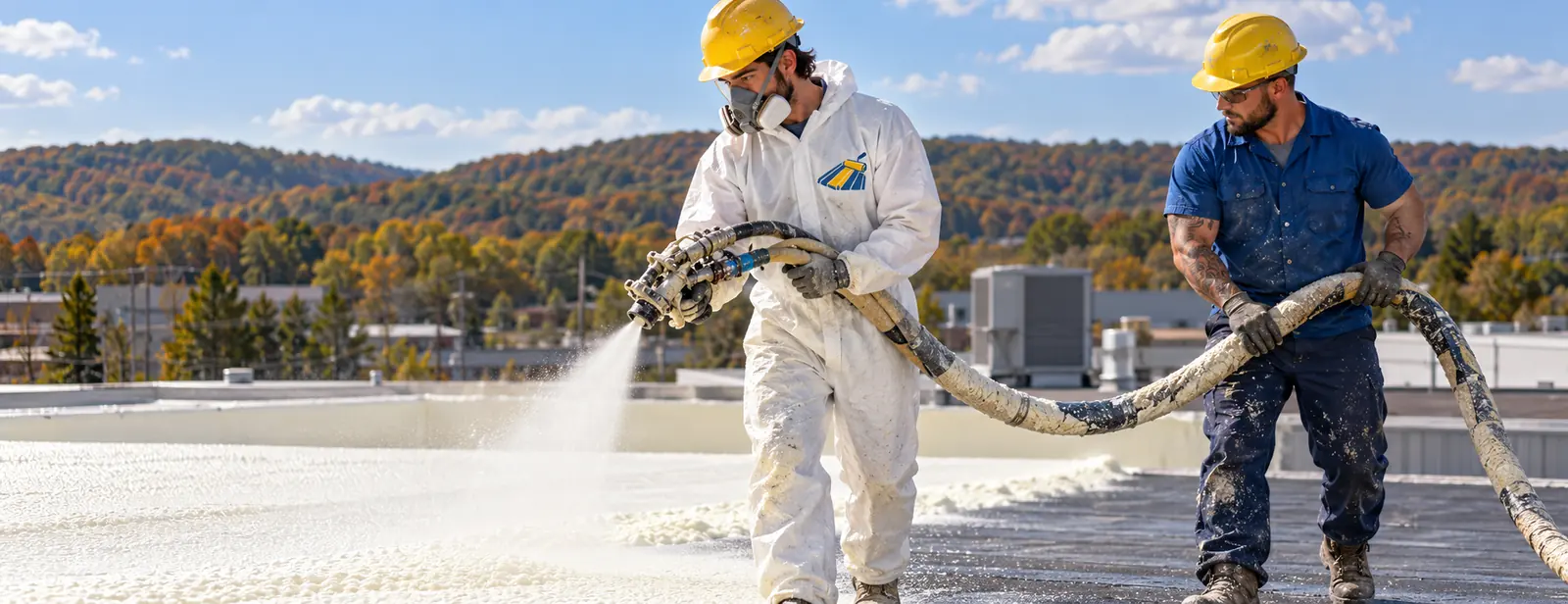
Spray foam roofing in Independence over old metal roofs on heated or cooled buildings: foam fills the ribs, seals the screws, and adds insulation under a topcoat.
Quick Facts
- Foam fills panel ribs
- Insulation over heated space
- Edge metal raised to match
- Code items checked first
Is This Roof A Fit?
Foam pays off where the space below is heated or cooled. Over an unheated barn, a coating alone usually makes more sense.
Foam Plus Topcoat
Fix, Then Foam
Coating Only
Foam raises the roof edge, so trim, gutters, and drip edge heights get planned before spraying.
Foam Details We Plan Before Spraying
Foam changes the roof assembly, so these six spots get decided up front.
Low Area Built Up
Foam thickness can vary across the roof, which lets a low area near a drain get extra build so water moves off instead of sitting.
Unit And Fan Curbs
Rising foam shortens the flashing height at curbs. Each curb gets checked so flashing still laps well above the finished foam surface.
Eave Edge Height
At the eaves the roof grows by the foam thickness, so drip edge, gutters, and rake trim get raised or replaced to match.
Skylight Openings
Skylight curbs either rise with the foam or the openings get covered, a choice made with you before any foam goes down.
Ridge Vent Line
Covering a ridge vent with foam changes how the building breathes, so ventilation gets rerouted or the vent is kept open with a curb.
Air Intakes Near Spray
Overspray travels, so rooftop intakes near the work get shut down or covered, and parked cars below get protected.
Commercial Roof Coating Options for Independence
How foam systems differ for buildings around Independence.
| Option | Goes Over | Best For | Watch For |
|---|---|---|---|
| Foam + Silicone Topcoat | Firm metal over heated space | Shops with offices, retail | Silicone recoats only |
| Foam + Acrylic Topcoat | Firm metal with good slope | Buildings that drain fast | Needs dry, warm cure days |
| Foam Over Flat Additions | A dry flat section beside metal | Leveling a mixed roof | Wet insulation removed first |
Benefits of Coating Your Roof
What foam adds that a coating alone does not.
Insulation Added
Each inch of foam adds insulation over a bare metal roof, which helps a shop with offices or a heated work bay.
Ribs Filled And Leveled
The foam fills panel ribs and evens out the surface, so screws and laps sit buried under one continuous layer.
Some Cushion Over Steel
Thicker systems such as foam add cushion over the panels, which helps the roof take small hail better than a thin coating.
Panels Stay On
Spraying over the existing steel means, the old roof stays in place and the building keeps working below.
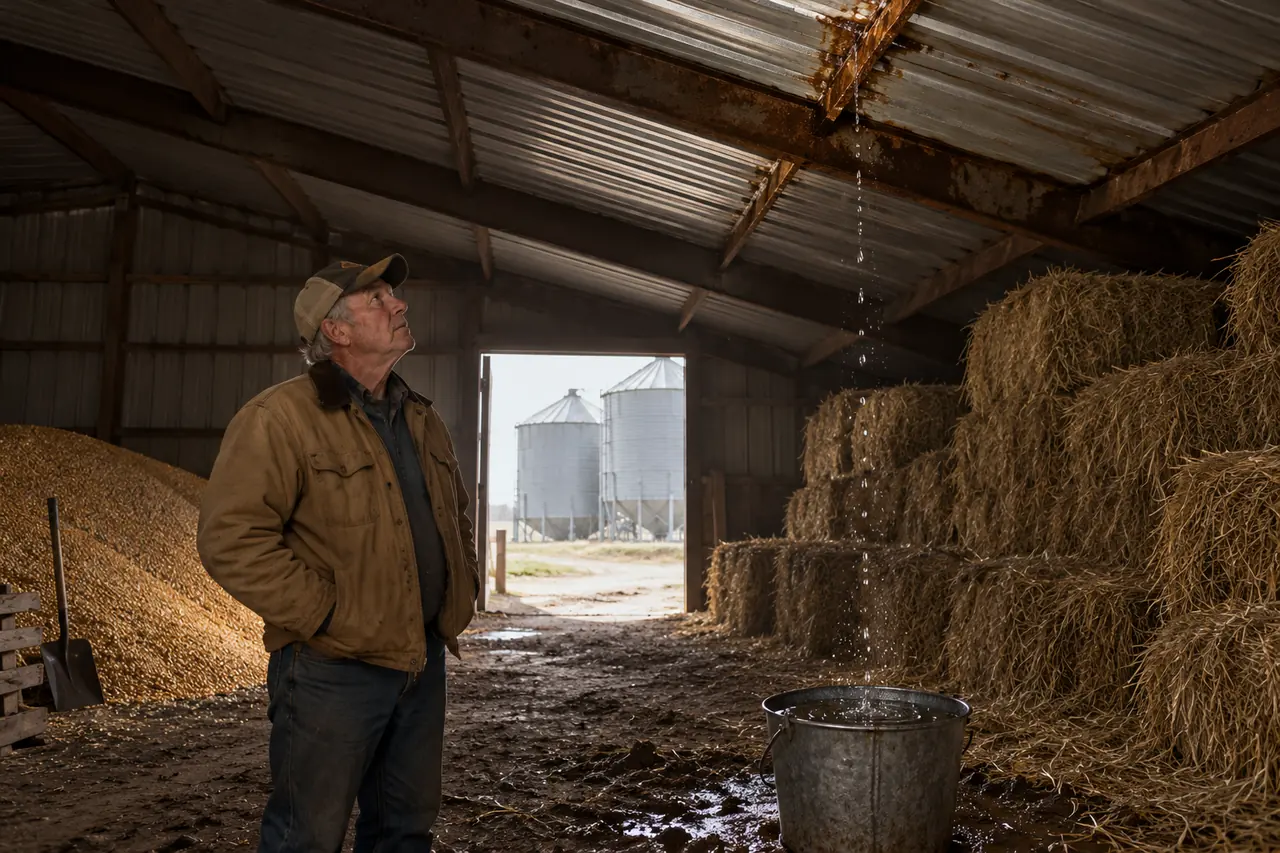
Heating Bills High Under A Bare Metal Roof?
Call us with the building use and roof size. Foam with a topcoat insulates and seals the panels in one system.
How A Spray Foam Roof Goes On
How a foam job runs on a metal building, from the first roof walk to the topcoat.
Inspect Your Roof
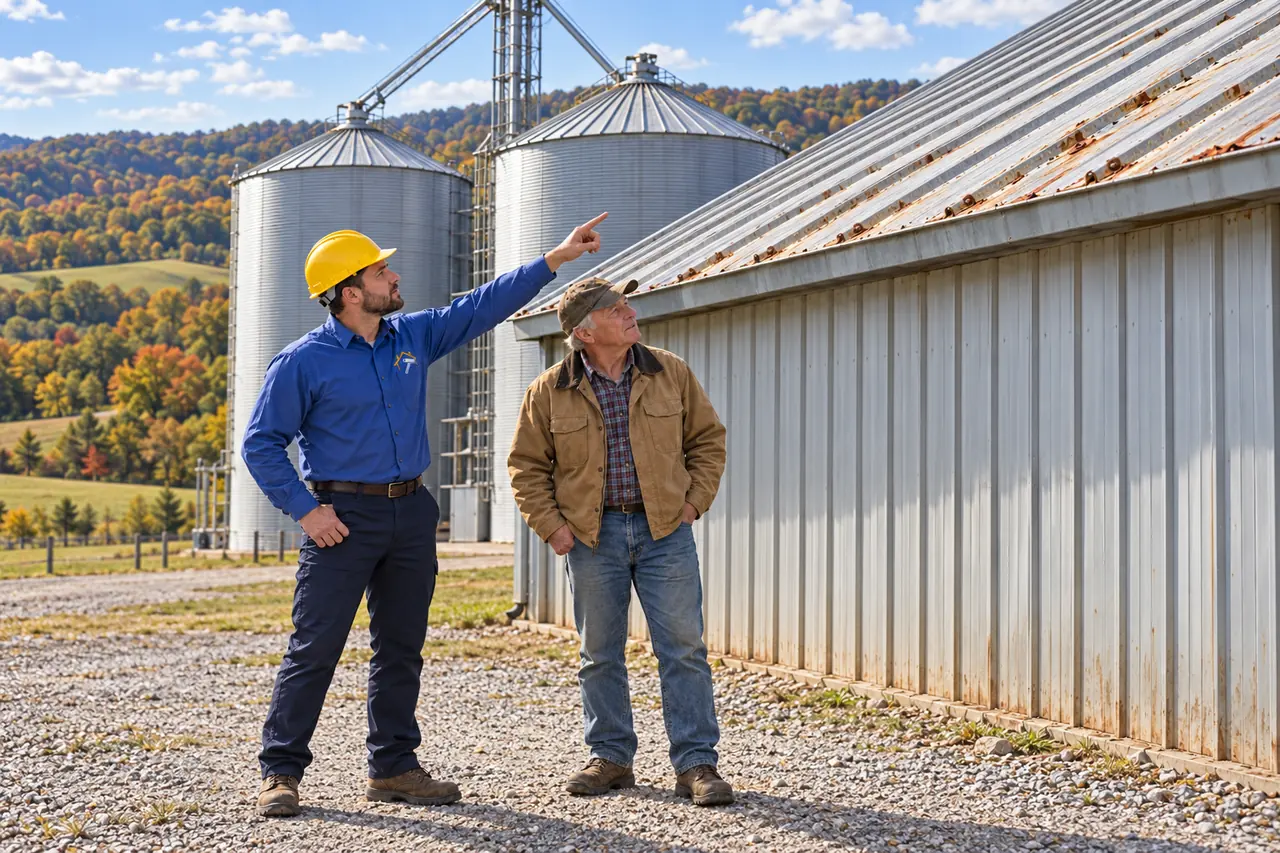
We check panels for firm steel, look underneath for moisture, measure curb and edge heights, and note every vent and intake near the spray area.
Settle Edges And Code Items
Edge metal, gutter height, vent changes, and the fire classification of the foam-and-coating assembly get settled with you and the building office.
Clean And Prime The Panels
The roof gets washed, loose rust removed, and primer applied where needed so foam bonds to dry, clean metal.
Spray The Foam
Foam goes down in passes to the planned thickness, filling ribs and building up low areas, with intakes covered and parked cars protected below.
Topcoat The Foam
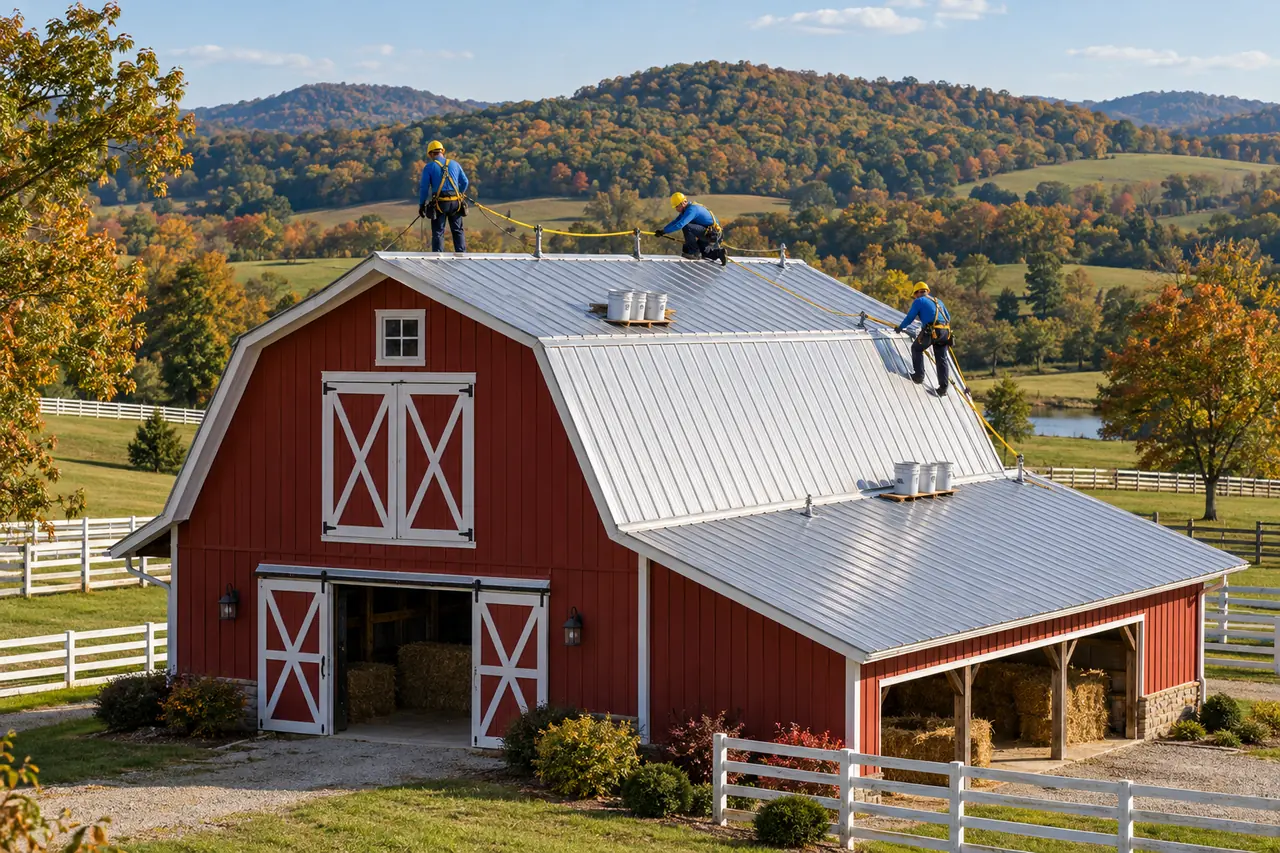
Sunlight breaks foam down, so a silicone or acrylic topcoat goes on next, followed by a thickness check and a roof walk with you.
Related Roof Coating Services
Systems that pair with foam or replace it on simpler buildings.
Silicone Roof Coating
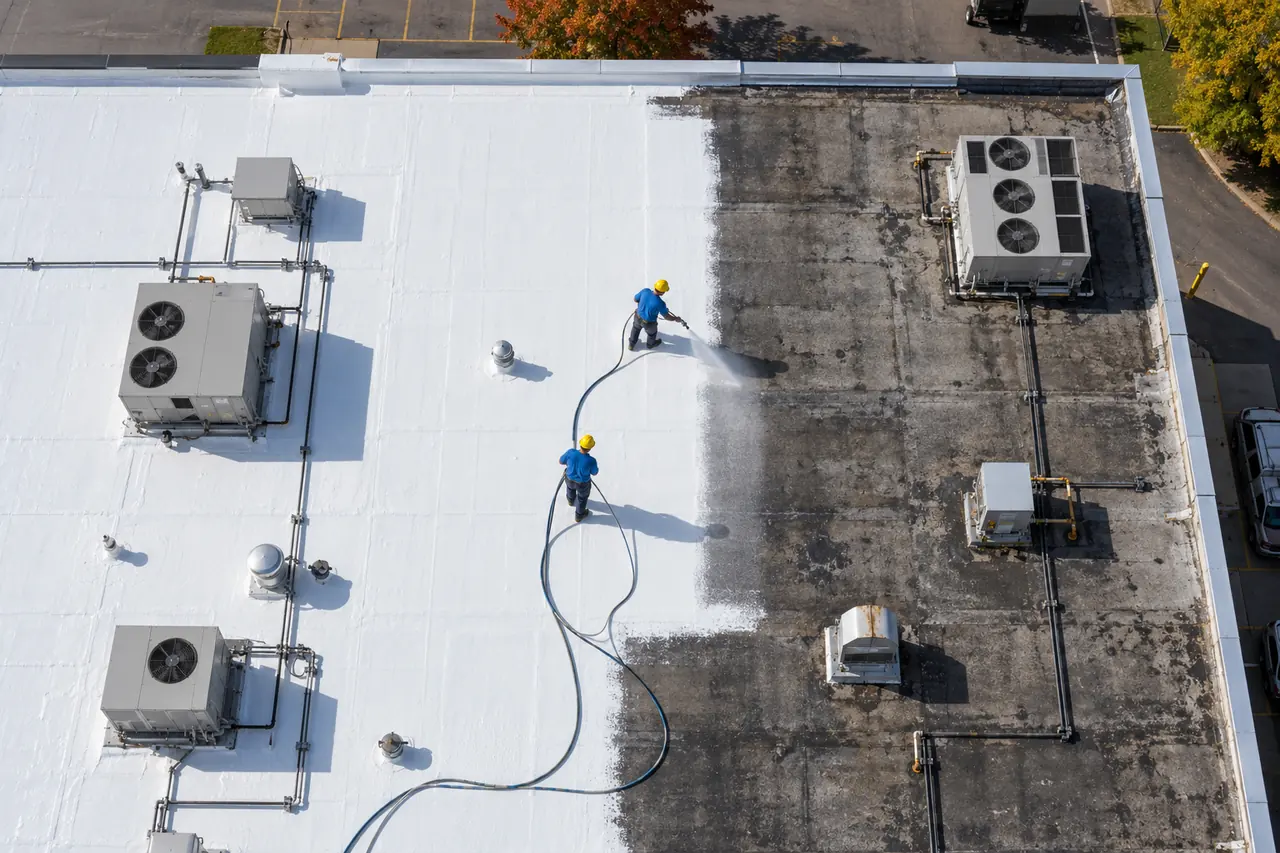
Silicone is a common topcoat over foam, and on its own it handles ponding on roofs that need no insulation.
Silicone roof coating →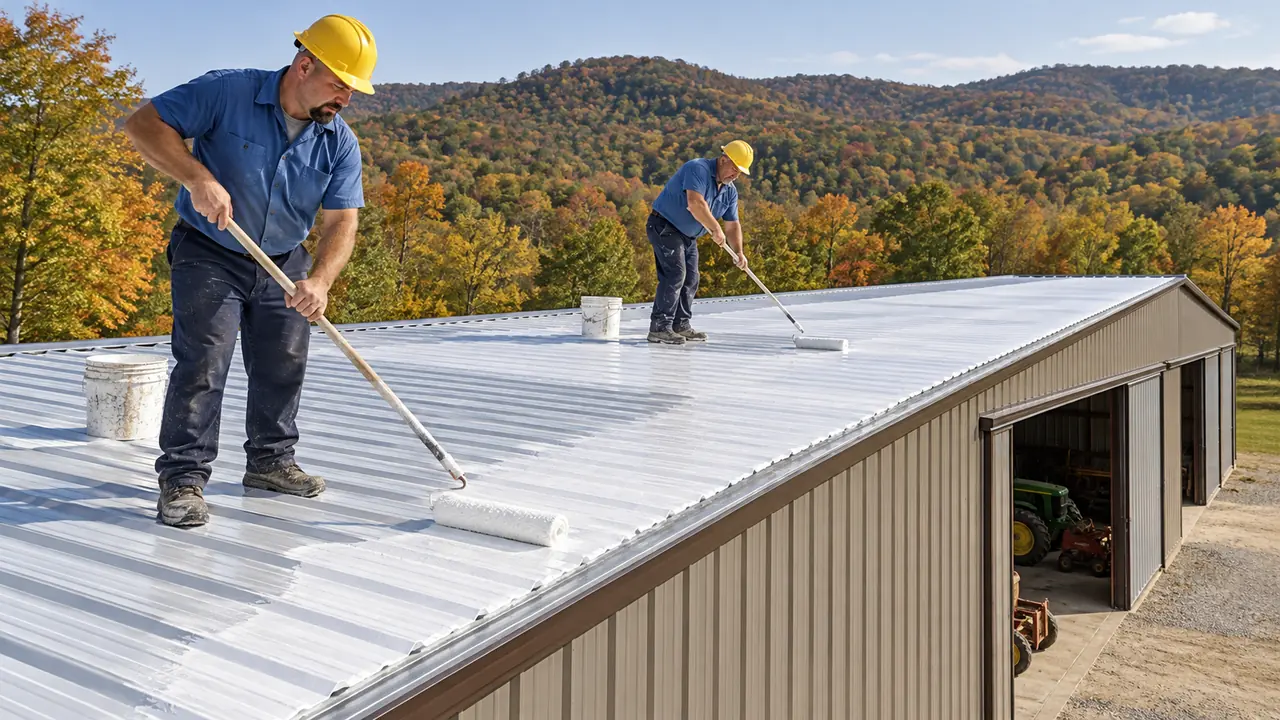
Acrylic Roof Coating
An acrylic topcoat fits foam on roofs with enough slope, and alone it suits unheated sloped barns.
Acrylic roof coating →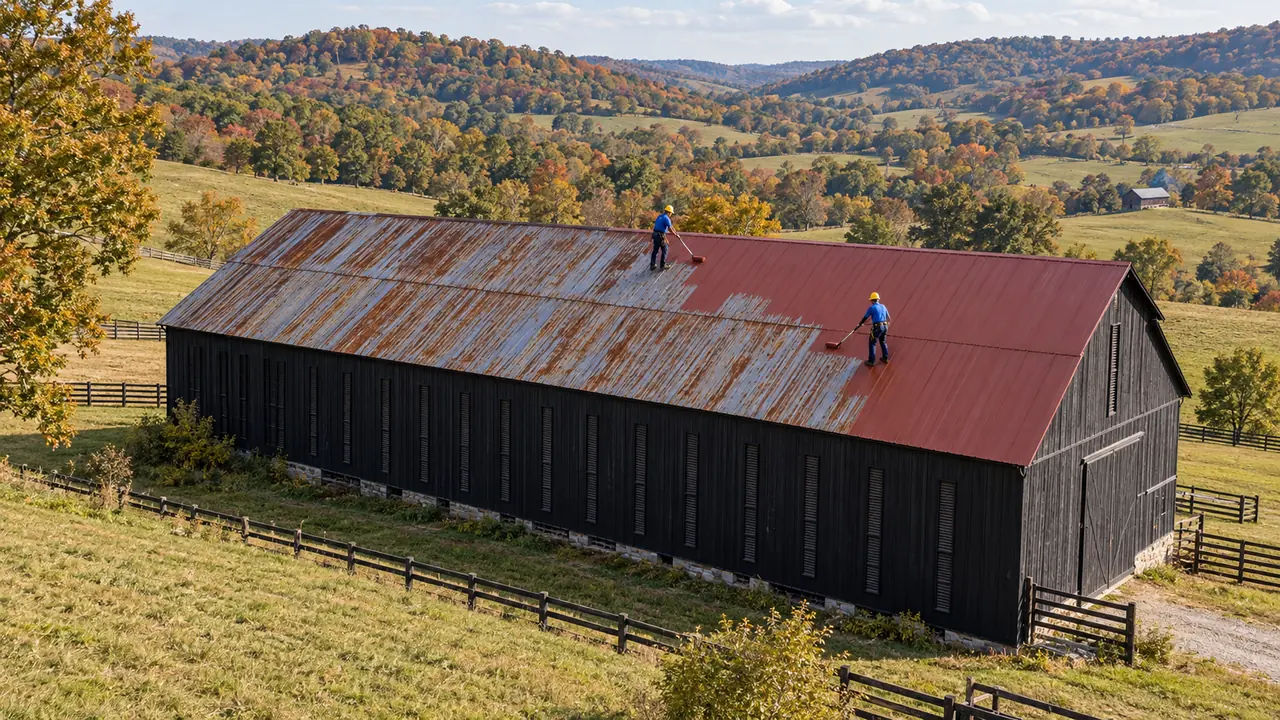
Metal Roof Coating
For an unheated barn or storage building, our metal roof coating seals the screws and laps without foam.
Metal roof coating →Independence Spray Foam Roofing Questions
Can spray foam go over an old metal roof?
Yes. Spray polyurethane foam goes straight over the metal, fills the panel ribs, seals the fasteners, and adds insulation, then a silicone or acrylic topcoat protects it from sunlight. It raises the roof edge so trim and gutters need adjusting, and makes the most sense on a heated or cooled building such as a shop with offices.
Does spray foam over a metal roof bring code requirements?
It raises more questions than a coating, because it changes the roof assembly. Confirm the fire classification of the foam-and-coating assembly over the steel, the insulation rules in Kentucky's statewide code for recover work, edge metal and gutter heights, and ventilation changes where foam covers ridge vents. Product data sheets and the local building office settle each one.
How thick does the foam go on a metal roof?
Thickness is set per job by the insulation you want, the rib depth of the panels, and how much a low area needs building up. The plan lists a minimum over the panel tops, and readings are taken as each pass goes down so the finished surface matches it.
Will foam fumes reach the people working inside?
Rooftop air intakes and units near the spray area get shut down or covered while foam goes down, and that is planned with your building manager ahead of time. Work happens outside on top of the roof, and parking near the eaves gets roped off to keep overspray off cars.
What happens to the foam when it needs a recoat?
The foam stays and only the topcoat gets renewed. Over the years the topcoat wears from sun and weather; a cleaning and a fresh coat of the matching product protect the foam again. Bare foam left in sunlight breaks down, so the topcoat is never skipped.
Get Foam Priced For Your Metal Building
Get a ballpark figure online, or call us and tell us what sits under the roof.