Independence Silicone Roof Coating
Silicone roof coating in Independence for metal and low-slope roofs where water sits after rain: near gutters, in backed-up valleys, and on flat additions.
Quick Facts
- Made for low spots that hold water
- Cures in cooler weather
- Gutters and drains fixed first
- Building stays open during work
Is This Roof A Fit?
Silicone earns its place where water lingers. The roof walk maps every low spot before we choose it.
Silicone Over Primer
Fix Drainage, Then Coat
Acrylic Or Foam Instead
Silicone collects more dirt over time than acrylic, so roofs near gravel lots or field dust get a cleaning plan too.
Where Water Sits On These Roofs
The plan shows a low-slope section with a parapet. Each number is a spot we check before choosing silicone.
Ponding Ring At The Drain
A dirt ring around the drain shows how far water spreads after a storm. That ring area gets the thickest silicone build and a drain basket that keeps leaves out.
Rooftop Unit Curb
Open curb corners let water run under the unit, and service techs wear paths around it. Corners get fabric and mastic, and the service path gets a walk pad.
Flat Addition Seams
Where a flat addition meets the metal building, seams split as the two roofs move differently. The transition gets reinforcing fabric before any silicone goes over it.
Skylight Curb
Cracked skylight lenses and loose curb flashing leak into offices below. Lenses get replaced, and curb flashing gets sealed into the coating.
Through-Wall Scupper
Debris and rust narrow the scupper box until water backs up across the roof. We clear it, reseal the box, and confirm water leaves the roof before coating.
Parapet Base Flashing
Base flashing at the parapet pulls loose and holds snowmelt against the wall. Loose flashing gets reattached, and laps get fabric so silicone bridges the joint.
Commercial Roof Coating Options for Independence
Silicone systems we install around Independence, sorted by the surface underneath.
| Option | Goes Over | Best For | Watch For |
|---|---|---|---|
| Silicone On Primed Metal | R-panel with low spots near gutters | Long eaves that back up in storms | Rust primer required first |
| Silicone On Membrane | Clean, dry single-ply or flat sections | Flat additions on metal buildings | Wet insulation replaced first |
| Silicone Over Old Silicone | An existing silicone roof | Recoat of a worn silicone system | Thorough cleaning before recoat |
| Silicone With Walk Pads | Any silicone roof with service visits | Paths to fans and rooftop units | Pads placed before topcoat |
Benefits of Coating Your Roof
What silicone does on the parts of the roof that stay wet longest.
Holds Up Under Standing Water
It resists water that sits for days near gutters and drains, where acrylic softens and wears away.
Longer Fall Season
Silicone cures in cooler conditions than acrylic, so late-season work on metal panels has more usable days.
One Membrane Over Mixed Roofs
A flat addition and the metal building beside it can share one silicone system once the transition seam is reinforced.
Reflective Surface
A white silicone topcoat cuts the solar heat the roof absorbs; rated products are listed in the Cool Roof Rating Council directory.
Water Still Standing Two Days After Rain?
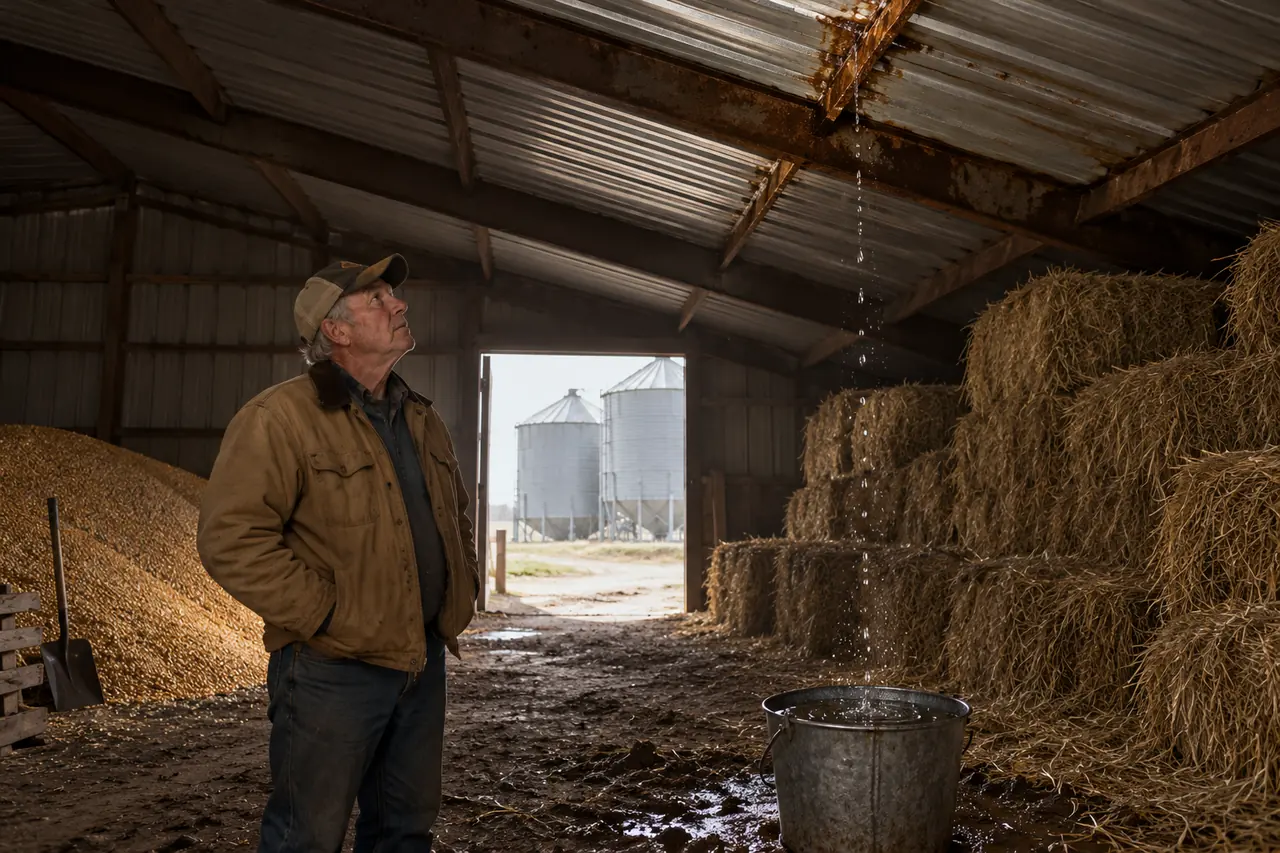
Tell us where the puddle sits and how wide the dirt ring around it runs. Ponding at gutters and drains is where silicone does its best work.
How Silicone Roof Coating Work Gets Done
How a silicone job runs on a metal or low-slope roof that holds water, start to finish.
Inspect Your Roof
We map each ponding area, check drains and gutters for blockages, look for wet insulation under flat sections, and note where service techs walk.
Fix Skylights, Gutters, And Curbs
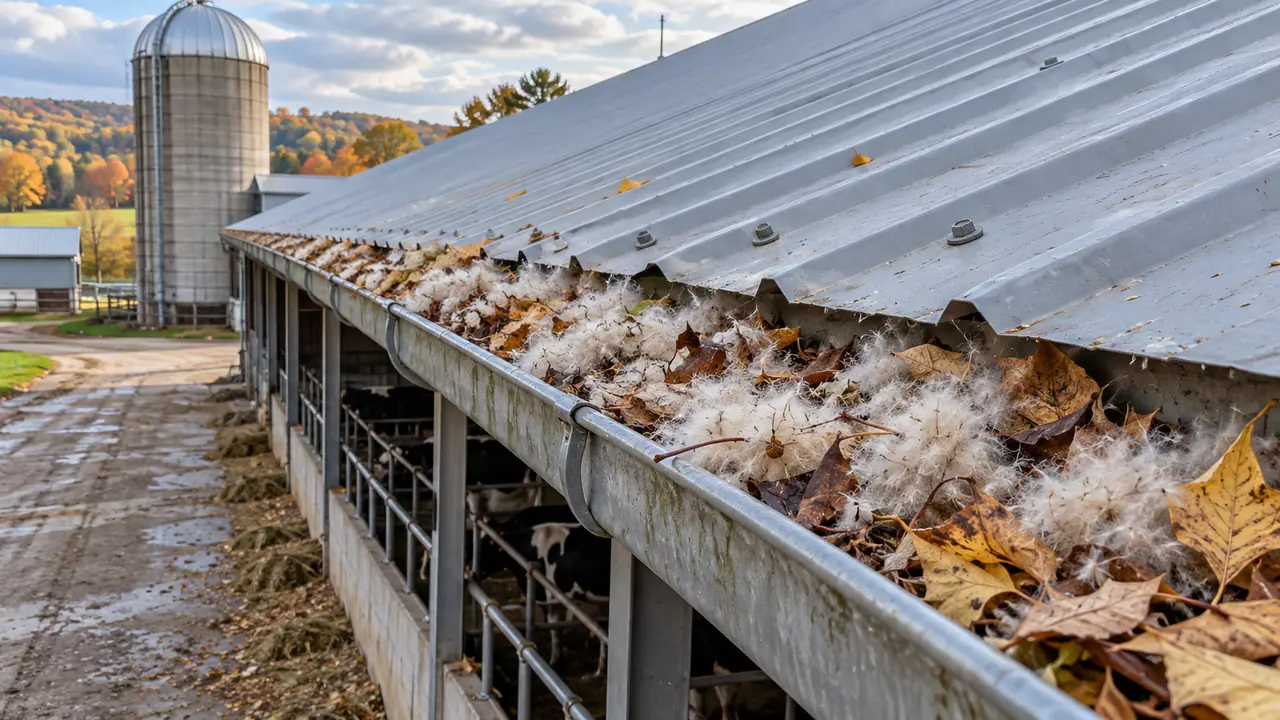
Cracked skylight panels get replaced, gutter seams resealed, hangers reset, curb corners reinforced, and cracked pipe boots swapped before coating.
Clean And Prime
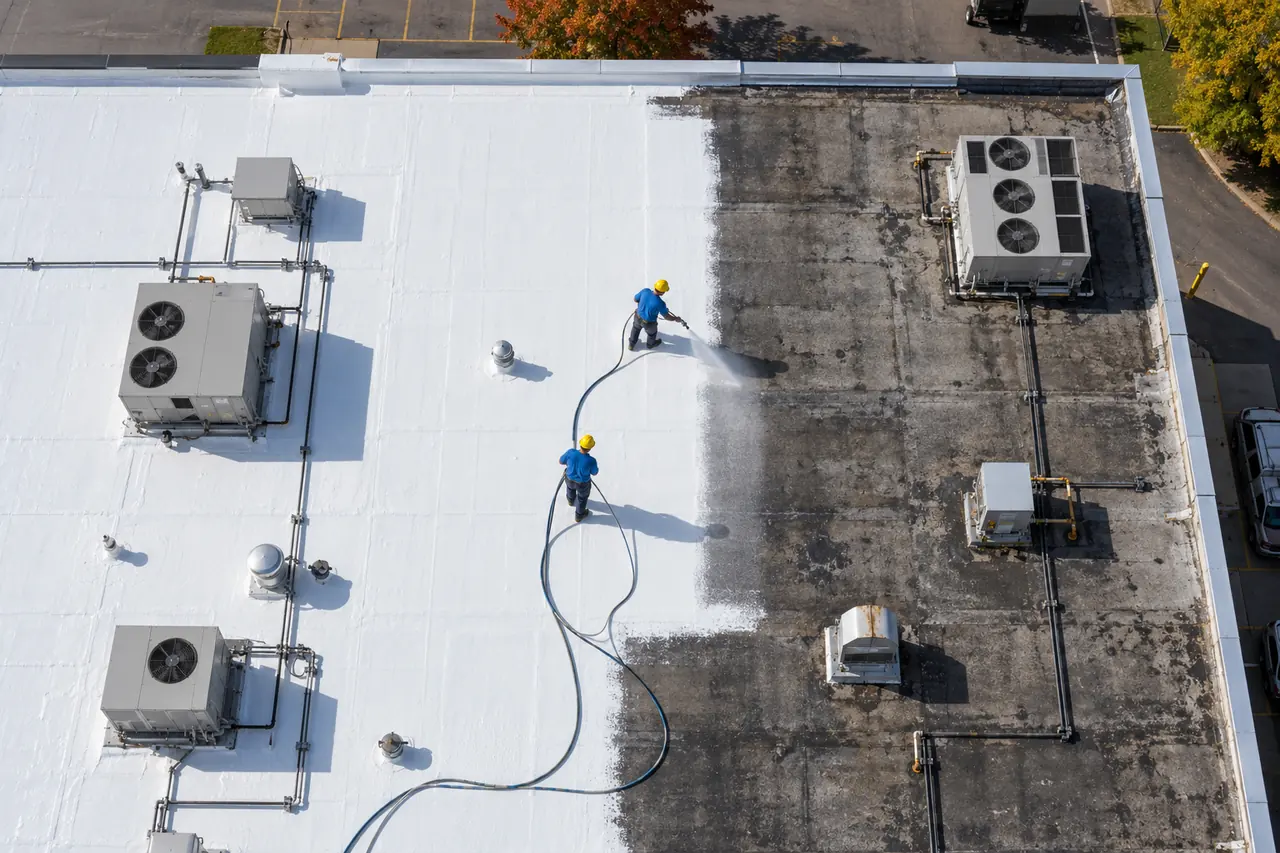
A pressure wash removes dirt and pollen, degreaser cuts oil near exhaust fans, and the metal gets rust primer where needed.
Reinforce Transitions
Seams between roof sections, curb flashing, and parapet laps get fabric bedded in silicone so the joints can move.
Coat The Low Spots Heavy
Silicone goes on to the specified mils with extra build in ponding areas, then we check thickness and walk the roof with you.
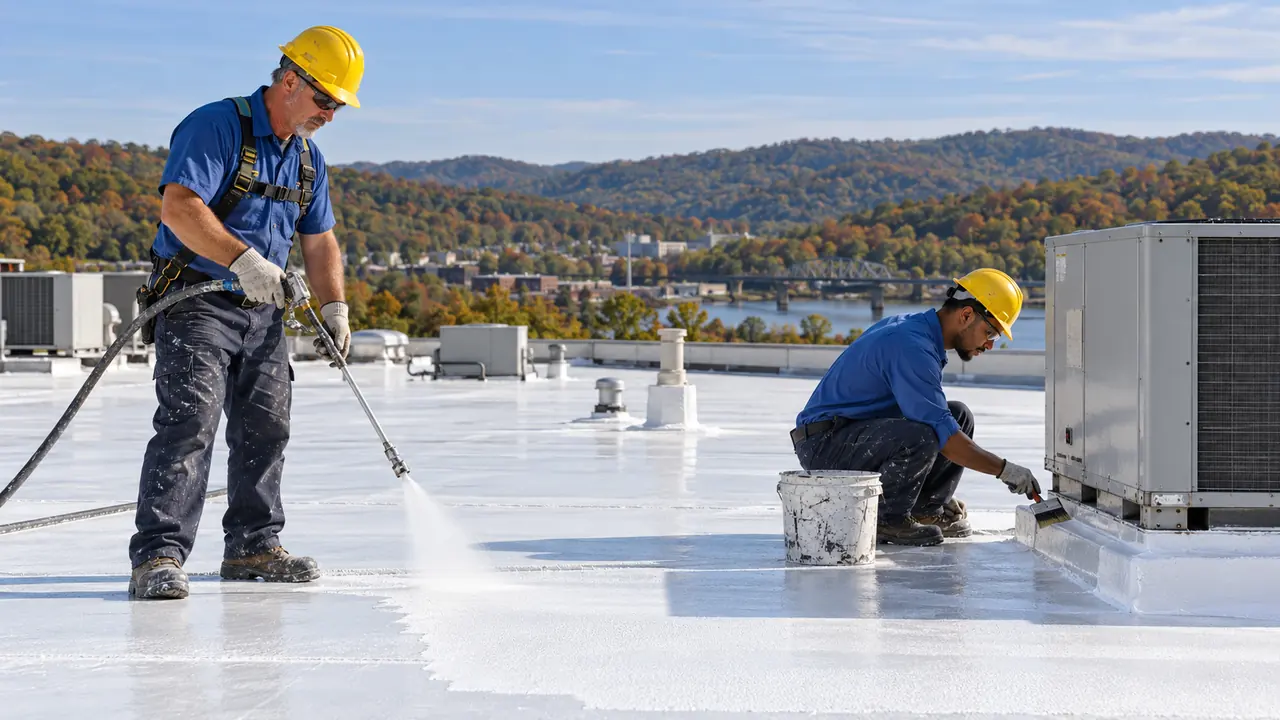
Related Roof Coating Services
Systems we compare against silicone on the same roofs.
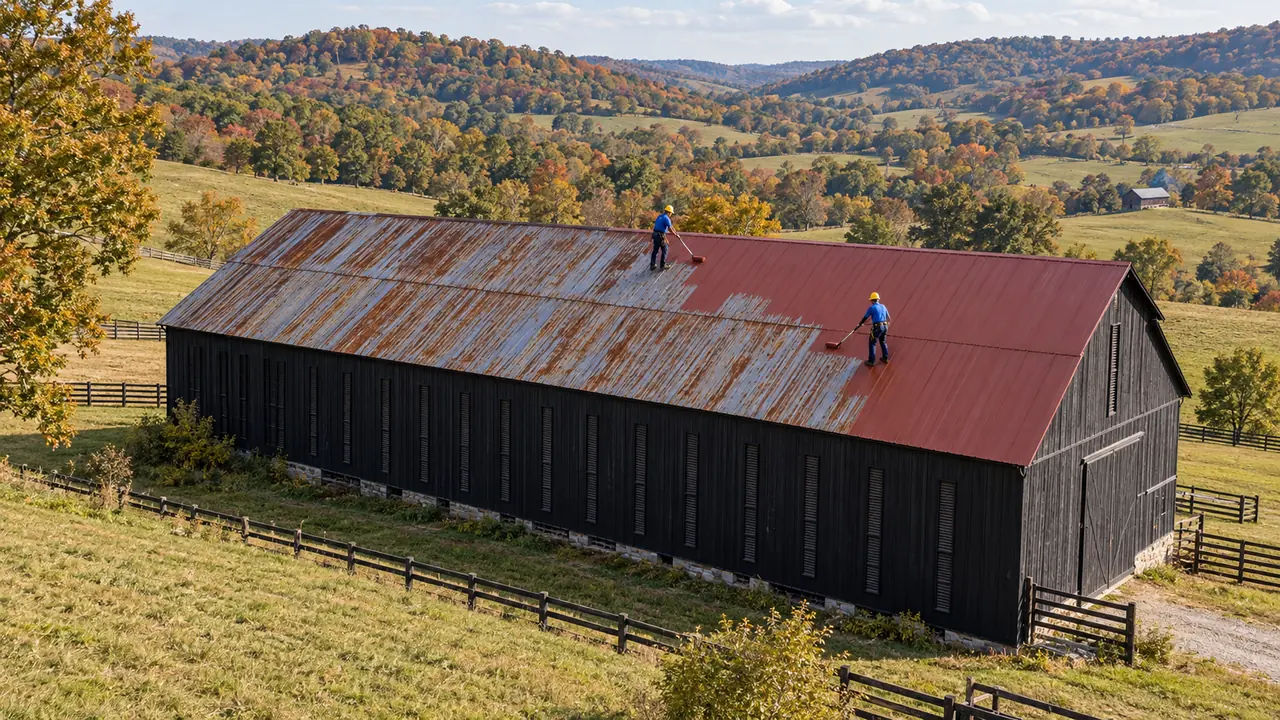
Metal Roof Coating
On steep metal panels with no low spots, our metal roof coating with an acrylic topcoat can be the better match.
Metal roof coating →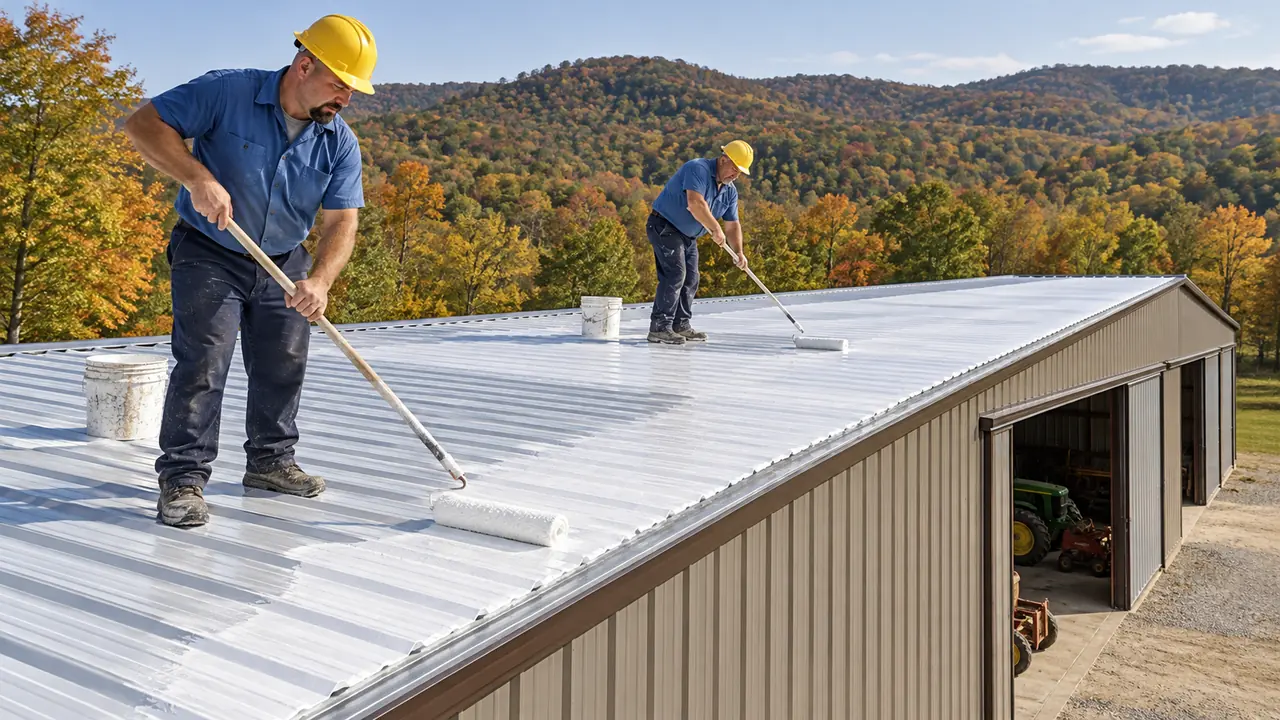
Acrylic Roof Coating
Acrylic recoats with more products and stays cleaner, so owners who plan frequent recoats look at it next.
Acrylic roof coating →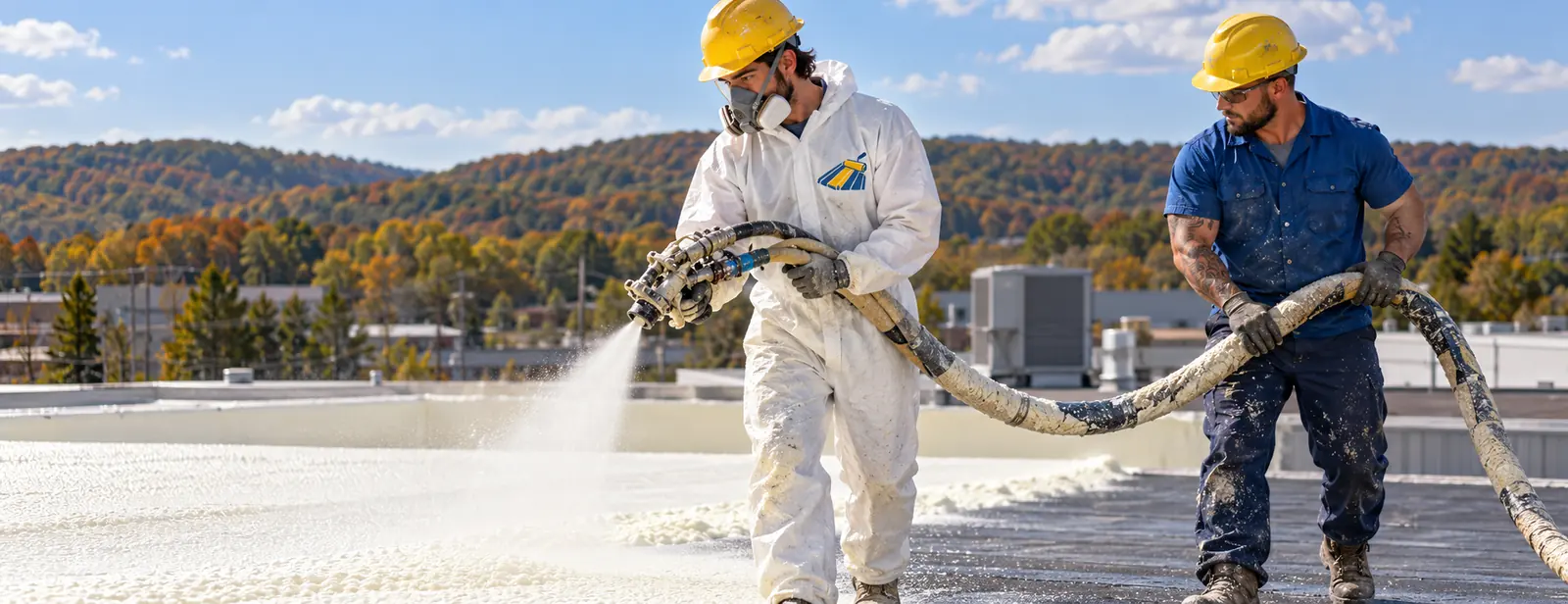
Spray Foam Roofing
Foam can build up low areas and add insulation over heated space, then take a silicone topcoat.
Spray foam roofing →Independence Silicone Roof Coating Questions
Silicone or acrylic: which coating is better over a metal roof?
Silicone wins where water sits; acrylic does well on sloped metal that drains fast. Most metal roofs around Independence suit either, so the choice comes down to low spots near gutters, backed-up valleys, how much dirt pickup you can live with, and whether you want to recoat later with silicone only or with a wider range of products.
How long does the work take, and can the building stay open?
Most buildings stay open, since crews work on top of the roof. Roof size, rust repair, and weather set the length, and drying time between coats sets much of the pace. Air intakes near spray areas get covered, parking near the eaves gets roped off, and docks and entrances stay open with a ground spotter when needed.
What happens to skylights, gutters and rooftop curbs?
They get repaired first, because they cause many leaks on metal buildings. Cracked skylight panels get replaced or edge-sealed, rusted gutter sections and sagging hangers get fixed, open HVAC curb corners get fabric and mastic, cracked pipe boots get replaced or wrapped, and torn ridge vent closures get swapped. The coating then covers them with the rest of the roof.
Does a reflective coating lower cooling costs?
In an air-conditioned building it can cut cooling load, because the roof absorbs less solar heat. Unconditioned barns feel it as a cooler interior instead of a smaller bill. Savings hinge on insulation, equipment, hours, and electric rates, so no one figure fits every building, and dirt on the topcoat lowers reflectivity over time.
Does silicone need to be removed before the roof is recoated?
No tear-off is needed. A worn silicone roof gets a thorough cleaning and a fresh coat of silicone, since new silicone bonds best to old silicone. Most other coatings will not stick to it, which is why we ask about long-term plans before choosing silicone in the first place.
Get The Low Spots On Your Roof Coated
Get a ballpark figure online, or call us and describe where water sits after a storm.